
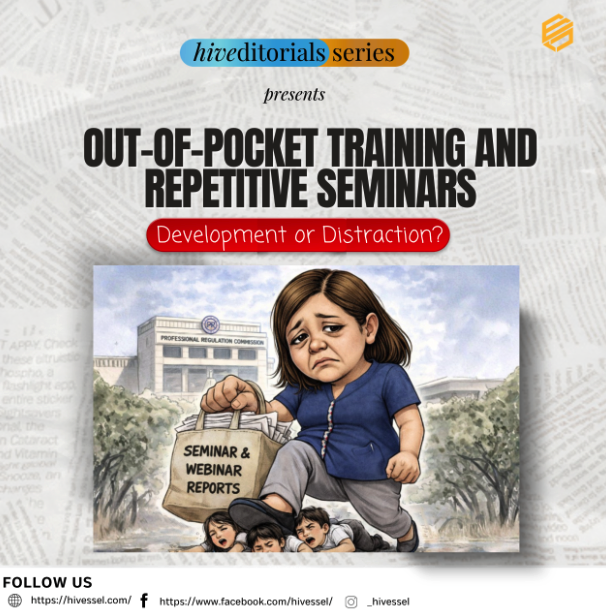
Teachers are tired, and not the kind of tired that rest alone can fix.
They are tired from teaching overcrowded classes, preparing lessons late into the night, checking papers on weekends, and responding to school demands beyond working hours. Yet despite this exhaustion, many are still required to attend seminars that are irrelevant, repetitive, and designed primarily for compliance rather than genuine professional growth.
In theory, seminars exist to develop teachers. In reality, many have become boxes to tick.
The same topics are repeated under different titles. The same content is recycled year after year. Teachers sit through hours of discussions they have already encountered—sometimes even delivered by the same speakers. What changes is not the learning, but the certificate attached to attendance.
Worse, many of these seminars are not even free.
Teachers are often forced to pay out of their own pockets—sometimes substantial amounts, just to earn certificates needed for promotion, for compliance with performance requirements, or for the accumulation of CPD units required for the renewal of their professional license. These are not optional expenses. They are presented as necessities for survival in the profession.
So teachers pay.
They pay with their money.
They pay with their weekends.
They pay with their energy.
All while their classrooms wait.
This creates an immense pressure. Instead of focusing fully on teaching, on addressing learning gaps, or on improving instruction, teachers are forced to divide their time and attention. Planning lessons competes with attending webinars. Supporting learners competes with completing seminar outputs. Rest competes with compliance.
And teaching, the very heart of the profession, slowly becomes secondary.
What makes this situation more painful is that relevance is rarely considered. A teacher struggling with literacy gaps attends a seminar unrelated to reading intervention. A classroom teacher is required to join leadership trainings they are not yet applying. Practical classroom needs are overshadowed by generalized, one-size-fits-all sessions.
Still, teachers comply.
Because absence is questioned.
Non-attendance is recorded.
And refusal has consequences.
Over time, this culture sends a damaging message: that teachers’ time is endlessly available, that their financial burden is acceptable, and that their professional judgment matters less than paperwork.
But professional growth cannot be forced through duplication. Development cannot thrive under exhaustion. And respect cannot exist where teachers are asked to sacrifice both their focus and their livelihood for compliance.
If we truly value teachers, we must rethink what professional development means. We must stop measuring growth by the number of seminars attended and start asking whether those seminars actually help teachers teach better.
Because every irrelevant, paid-for seminar does not just waste time, it pulls teachers further away from what truly matters: their learners.
And a system that keeps teachers busy but unsupported is not developing professionals—it is draining them.